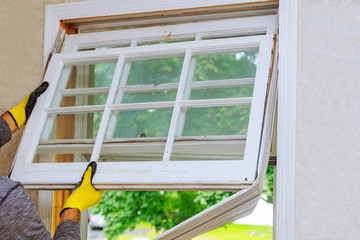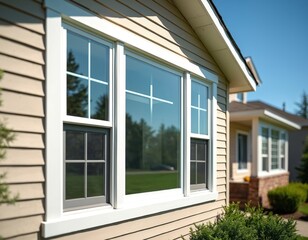
Choosing the right types of windows is one of the most important decisions homeowners make during construction or renovation. Windows affect natural light, ventilation, energy efficiency, comfort, and the overall appearance of your home. The wrong choice can lead to higher energy bills, poor airflow, and frequent maintenance issues. The right choice improves daily living and long-term value.
At United Developers, we provide expert guidance and professional windows installation services to help homeowners select the perfect windows for their home. Whether you are building a new property or upgrading existing ones, our team ensures you get windows that are not only stylish but also durable, energy-efficient, and suited to your lifestyle. This guide will walk you through the most common types of windows, their features, benefits, and how to choose the best option for each room in your home.
Why Choosing the Right Types of Windows Is Important
Windows serve many purposes beyond letting in light. The correct window type supports both comfort and function throughout your home.
Choosing the right types of windows helps you:
- Maintain a stable indoor temperature
- Reduce heating and cooling costs
- Improve air circulation
- Enhance natural lighting
- Increase safety and security
- Boost curb appeal and resale value
Each room in your home has different needs. That is why selecting the right window style for each space matters.
Common Types of Windows for Homes
Below are the most popular residential window styles used in modern and traditional homes.
1. Single-Hung Windows
Single-hung windows feature two sashes, but only the bottom sash opens. The top sash remains fixed in place. These windows are common in traditional homes and are often chosen for their simple design and affordability.
Benefits:
- Affordable option
- Simple design
- Easy to install
- Good energy efficiency
Limitations:
- Limited ventilation
- Exterior cleaning can be difficult
2. Double-Hung Windows
Double-hung windows look similar to single-hung windows, but both sashes can move up and down independently. This design provides greater flexibility and airflow control.
These are among the most popular types of windows for residential homes.
Benefits of double-hung windows include:
- Improved ventilation from both top and bottom
- Easier cleaning, especially with tilt-in sashes
- Balanced airflow for better indoor comfort
- Timeless design that fits many home styles
Possible limitations:
- Slightly higher cost than single-hung windows
- More moving parts may require occasional maintenance
Double-hung windows are ideal for bedrooms, living rooms, and homes with multiple stories.
3. Casement Windows
Casement windows are hinged on one side and open outward using a crank handle. When closed, they form a tight seal against the frame. These windows are well known for energy efficiency and ventilation.
Why homeowners choose casement windows:
- Excellent airflow due to full window opening
- Strong seal that reduces air leakage
- Clear, unobstructed outdoor views
- Easy operation for hard-to-reach areas
Things to keep in mind:
- Hardware may need periodic upkeep
- Not ideal for areas near walkways or patios
Casement windows are commonly used in kitchens, bathrooms, and spaces where fresh air is essential.
4. Sliding Windows
Sliding windows move horizontally along a track. One panel slides open while the other remains fixed. They are often used in modern and contemporary homes.
Advantages of sliding windows include:
- Simple operation with minimal effort
- Low maintenance due to fewer components
- Clean, modern appearance
- Ideal for wide window openings
Potential drawbacks:
- Ventilation is limited to half the window opening
- Tracks need regular cleaning to prevent buildup
Sliding windows are a practical choice for living rooms, basements, and areas with limited vertical space.
5. Awning Windows
Awning windows are hinged at the top and open outward from the bottom. This design allows airflow while keeping rain out. They are especially useful in wet or humid climates.
Benefits of awning windows include:
- Can remain open during light rain
- Strong energy efficiency due to tight seals
- Improved privacy when placed higher on walls
- Enhanced security compared to sliding styles
Limitations to consider:
- Smaller opening limits airflow
- Not suitable for areas with heavy foot traffic outside
Awning windows are commonly installed in bathrooms, basements, and laundry rooms.
6. Bay and Bow Windows
Bay and bow windows extend outward from the wall, creating additional interior space and visual interest. Bay windows usually consist of three panels, while bow windows use four or more arranged in a curve.
Benefits:
- Adds space and depth
- Increases natural light
- Enhances curb appeal
- Creates seating or storage areas
Limitations:
- Higher cost
- Complex installation
These types of windows work best in living rooms, dining rooms, and front-facing spaces.
7. Picture Windows
Picture windows are fixed windows designed to frame outdoor views. They do not open, which makes them highly energy efficient.
Advantages of picture windows include:
- Maximum natural light
- Excellent insulation with no moving parts
- Modern, clean design
- Ideal for scenic locations
Limitations:
- No ventilation
- Cannot serve as an emergency exit
Picture windows are often paired with operable windows to balance light and airflow.
8. Skylight Windows
Skylight windows are installed in the roof and bring daylight into areas that traditional windows cannot reach.
Benefits of skylights include:
- Brightens dark interior spaces
- Reduces need for artificial lighting
- Enhances mood and indoor ambiance
- Improves airflow if operable
Important considerations:
- Proper installation is critical
- Requires quality flashing and sealing
Skylights work well in bathrooms, hallways, kitchens, and attic spaces.
Table: Comparison of Popular Types of Windows
| Type of Window | Ventilation | Energy Efficiency | Best Use Areas |
|---|---|---|---|
| Single-Hung | Low | Good | Bedrooms, living rooms |
| Double-Hung | Medium | Good | Most home areas |
| Casement | High | Excellent | Kitchens, bathrooms |
| Sliding | Medium | Moderate | Modern homes |
| Awning | Medium | Excellent | Bathrooms, basements |
| Bay/Bow | Medium | Moderate | Living rooms |
| Picture | None | Excellent | Scenic areas |
| Skylight | Optional | Good | Hallways, bathrooms |
Choosing the Right Types of Windows for Each Room
Selecting windows by room ensures comfort and functionality.
- Living Room: Picture, bay, or double-hung windows provide light and style
- Kitchen: Casement or sliding windows improve ventilation
- Bedroom: Double-hung windows balance airflow and safety
- Bathroom: Awning or frosted casement windows offer privacy
- Basement: Awning or hopper windows enhance security and airflow
Energy Efficiency and Glass Options
Energy efficiency is a critical factor when selecting types of windows.
Look for features such as:
- Double or triple-pane glass
- Low-E coatings to reflect heat
- Argon or krypton gas insulation
- ENERGY STAR certification
Energy-efficient windows help reduce heating and cooling costs while maintaining indoor comfort year-round.
Window Frame Materials to Consider
Different frame materials suit different budgets and climates.
- Vinyl: Affordable and low maintenance
- Wood: Natural look but higher maintenance
- Aluminum: Strong and modern but less efficient
- Fiberglass: Durable and energy-efficient
Your local climate should guide material selection.
Importance of Professional Installation
Even the best types of windows will underperform if installed incorrectly. Proper installation prevents air leaks, water damage, and early wear.
Professional teams like United Developers ensure precise fitting, proper sealing, and long-lasting performance.
Final Thoughts
Choosing the right types of windows is not just about looks. It is about comfort, efficiency, safety, and long-term value. Understanding how each window style works helps you choose options that fit your home, lifestyle, and climate.
Take time to assess your needs, compare styles, and invest in professional installation. With the right choices, your windows will enhance your home for many years to come.
READY TO TRANSFORM YOUR SPACE?
Discover top-rated construction, remodeling, and renovation services tailored to your needs.



Trusted by 50+ businesses across Maryland & Virginia.